

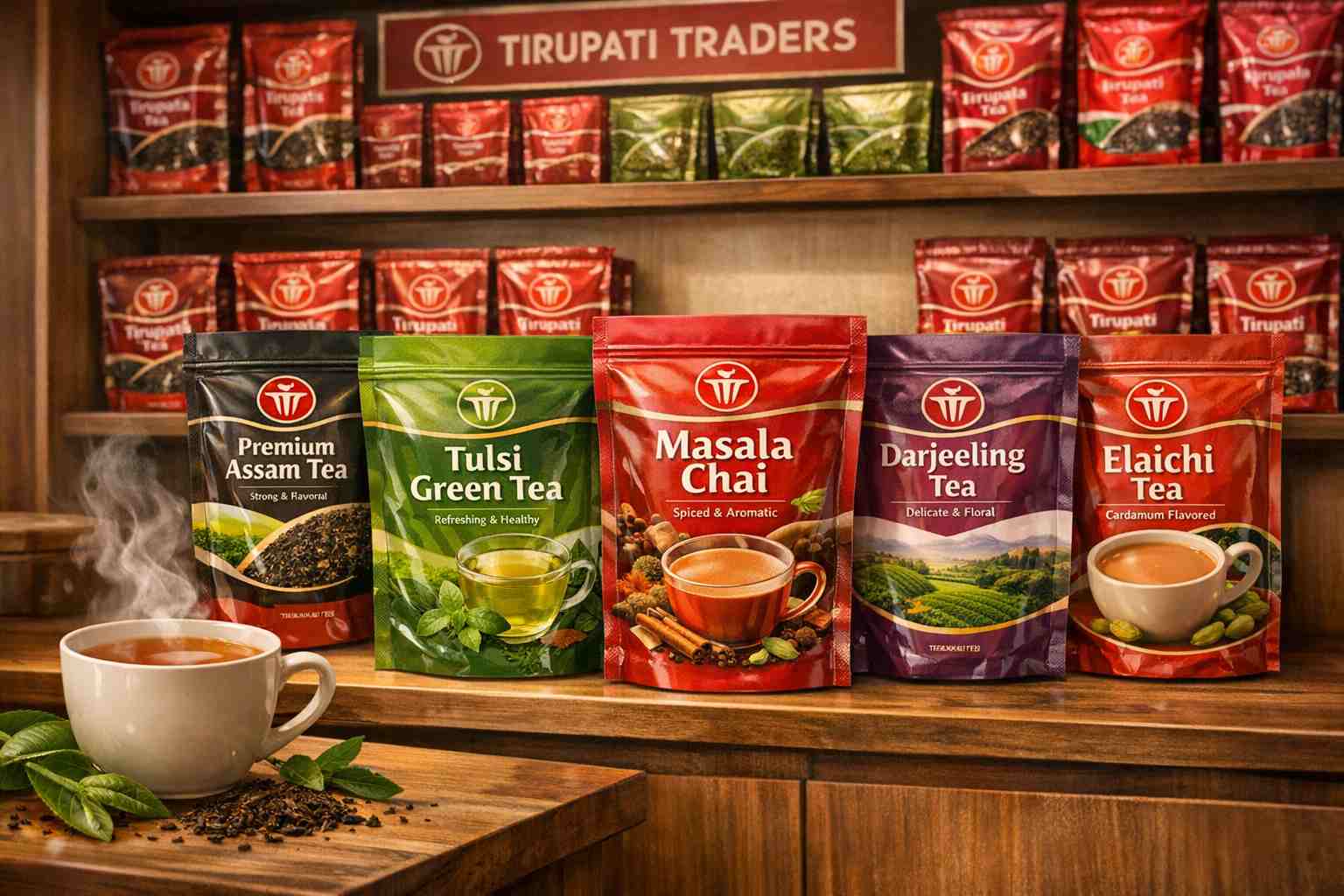
In India, chai is much more than just a beverage; it is the heartbeat of our mornings and the fuel for our bustling markets. However, for FMCG brands, food manufacturers, and agro companies, ensuring that the fresh, earthy aroma of the tea estates reaches the consumer’s cup completely intact is a complex logistical challenge. This is where high-quality plastic pouch packaging steps in as an unsung hero.
As global and domestic tea consumption continues to soar, finding dependable storage solutions has never been more critical. This article takes a deep dive into how advanced flexible packaging helps drastically cut down spoilage, the real-world challenges the industry faces, and the innovative trends shaping the packaging landscape as we move closer to 2026.
The Ground Reality: Why Reducing Tea Waste Matters
Tea leaves are highly sensitive. When exposed to unwanted moisture, direct sunlight, or excess air, they lose their distinct flavor profile and essential oils rapidly. Tea waste resulting from poor shelf life or transit contamination leads to massive economic and environmental setbacks.
- Economic Impact on B2B Businesses: For an FMCG brand or a bulk distributor, a spoiled batch translates directly to lost revenue and inflated production costs. Reliable packaging is literally the shield protecting your profit margins.
- Environmental Consequences: Discarded, spoiled tea adds unnecessary bulk to landfills and increases the carbon footprint tied to manufacturing and transportation.
- Rising Consumer Expectations: Today’s buyers want freshness guaranteed. Minimizing product loss aligns perfectly with modern sustainability goals while maintaining strong brand loyalty.
How Flexible Packaging Preserves the Perfect Brew
For large-scale storage and nationwide transportation, traditional materials often fall short. Custom plastic pouches provide a highly resilient and cost-effective alternative for preserving flavor.
Premium plastics—such as polyethylene (PE), polypropylene (PP), and PET—offer unparalleled barrier protection. They lock out oxygen and humidity while preventing the entry of external contaminants. Furthermore, resealable pouch designs ensure that the product stays garden-fresh long after the consumer opens the packet. For B2B markets focusing on bulk storage, durable, vacuum-sealed packaging is a game-changer, efficiently supporting long-haul transit without risking tear or puncture.
Premium Packaging Solutions at Tirupati Traders
Based in the vibrant business hub of Kolkata, Tirupati Traders is a trusted name in manufacturing top-tier packaging pouches for the agro, pharma, and FMCG sectors. We have proudly partnered with respected industry names like Steps Tea, Aanchal Gold, Vizesa Tea, and Mahan to elevate their packaging standards. Our customized pouches are specifically engineered to seal in the freshness while offering a sleek, professional aesthetic that stands out on retail shelves.
Key Advantages for Your Brand:
- Airtight Freshness Sealing: Keeps moisture and dust strictly out.
- Extended Shelf Life: Lowers the risk of degradation, directly boosting profitability.
- UV Light Protection: Specialized material layers block harmful rays that degrade delicate tea leaves.
- Cost-Effective Logistics: Lightweight material significantly reduces warehousing and shipping expenses.
- Custom Branding: High-definition printing lets you showcase your brand identity boldly. We’ve successfully delivered eye-catching packaging for versatile brands ranging from Zaha Atta to Hamza Spices.
Products to Consider for Your Tea Business:
-
250gm Tea Packaging Plastic Pouch – Freshness-Sealed & Premium Look
This pouch ensures your tea stays fresh and flavorful while providing a premium, shelf-ready look. Available for just ₹230.00.
Add to cart. -
High-Quality Tea Packaging Pouch – Secure & Stylish Storage
The ideal choice for businesses looking for highly secure, attractive, and dependable tea packaging solutions.
For bulk orders, tailor-made designs, or any B2B packaging consultations, connect with our Kolkata office directly via WhatsApp at +91 7003213441.
Navigating the Challenges of Plastic in Packaging
While the functional benefits of flexible packaging are immense, we must also acknowledge the associated environmental challenges. The heavy reliance on single-use materials has led to widespread waste accumulation. Furthermore, the very multilayer films that provide excellent barrier protection are notoriously difficult to recycle due to their complex, mixed-material composition.
Consumer perception is also shifting. Modern buyers often scrutinize a brand’s ecological footprint, pushing regulatory bodies to enforce stricter mandates on the use of virgin plastics. For businesses, this means adapting to new compliance standards without letting production costs spiral out of control.
Striking the Right Balance: Sustainability Meets Functionality
As an industry, moving forward requires a balanced approach where product safety and environmental responsibility go hand in hand. Leading packaging manufacturers are pivoting toward hybrid designs that blend minimal plastic with sustainable alternatives like paper.
Integrating recycled content into new packaging is steadily decreasing the reliance on virgin materials. Moreover, educating the end-consumer on proper waste disposal goes a long way in improving local recycling rates. Embracing these eco-friendly practices allows FMCG brands to meet shifting market demands while preserving the unmatched quality of their products.
Future Trends: What to Expect by 2026
The road to 2026 promises exciting technological breakthroughs in the flexible packaging sector. Driven by the need for peak efficiency and greener alternatives, we are seeing the rapid rise of smart packaging. Features like freshness indicators and RFID tracking empower brands to monitor quality throughout the supply chain.
Additionally, developments in nanotechnology are helping manufacturers create ultra-thin barrier films that require far less raw material while delivering superior protection. Coupled with AI-driven design processes to optimize structural integrity, the future of custom pouch packaging is incredibly bright, intelligent, and highly sustainable.
Frequently Asked Questions on Tea Preservation and Packaging for 2026
How does flexible packaging help drastically reduce tea waste?
High-grade pouches create an impermeable shield that locks out the main culprits of spoilage: humidity, oxygen, and contaminants. By keeping the natural oils and dry state of the leaves intact, the product’s shelf life is significantly extended, resulting in far less waste at the retail and consumer levels.
What types of materials are commonly trusted for food-grade pouches?
Materials such as polyethylene (PE), polypropylene (PP), and polyethylene terephthalate (PET) dominate the industry. They are celebrated for being lightweight, incredibly durable, and exceptional at sealing in aroma and freshness.
Can customized pouches prevent spoilage during long-distance transportation?
Absolutely. Industrial-grade flexible packaging is engineered to withstand rough handling, drastic temperature fluctuations, and high humidity. This ensures that agro and food products remain completely safe and unspoiled during extensive transit.
Is this type of material safe for preserving consumable goods like tea?
Yes. Reputable manufacturers use thoroughly tested, food-grade materials that comply with strict safety regulations. They safeguard the product’s purity without leaching any harmful chemicals or altering the taste.
What are the current environmental hurdles, and how is the industry responding?
The primary concern revolves around waste accumulation and the recycling complexities of multilayer films. To counter this, the packaging sector in 2026 is aggressively exploring biodegradable options, incorporating post-consumer recycled plastics, and developing advanced mono-material layers that are much easier to recycle.
Why choose flexible pouches over traditional paper or metal tins?
Pouches offer vastly superior airtight sealing compared to standard paper bags, which are vulnerable to moisture. Unlike metal, plastic is entirely rust-proof, significantly lighter (which cuts down freight costs), and much more adaptable for custom-printed branding.
What innovations are reshaping custom food packaging heading into 2026?
The focus is heavily on sustainability and technology. We are witnessing the adoption of compostable materials, AI-optimized designs that reduce raw material usage, and smart features like freshness sensors that cater perfectly to the evolving needs of FMCG and pharma companies.
In Conclusion
As we navigate the demands of 2026, finding the sweet spot between top-tier product preservation and ecological mindfulness is non-negotiable. For FMCG brands and tea manufacturers, partnering with a dependable, quality-focused supplier like Tirupati Traders ensures that your products reach the market in pristine condition, reinforcing brand trust and safeguarding your bottom line.