

In the bustling markets of India, from Kolkata to Mumbai, product packaging is more than just a container; it’s the first handshake with your customer. For industries like FMCG, food manufacturing, agriculture, and pharmaceuticals, getting the packaging right is crucial. A key technology that makes modern packaging so effective is lamination in multi-layered pouch construction. This guide breaks down the science and art behind lamination, helping you understand how it protects your product, enhances its shelf appeal, and ultimately, boosts your brand’s reputation.
What Exactly is Pouch Lamination and Why Does It Matter?
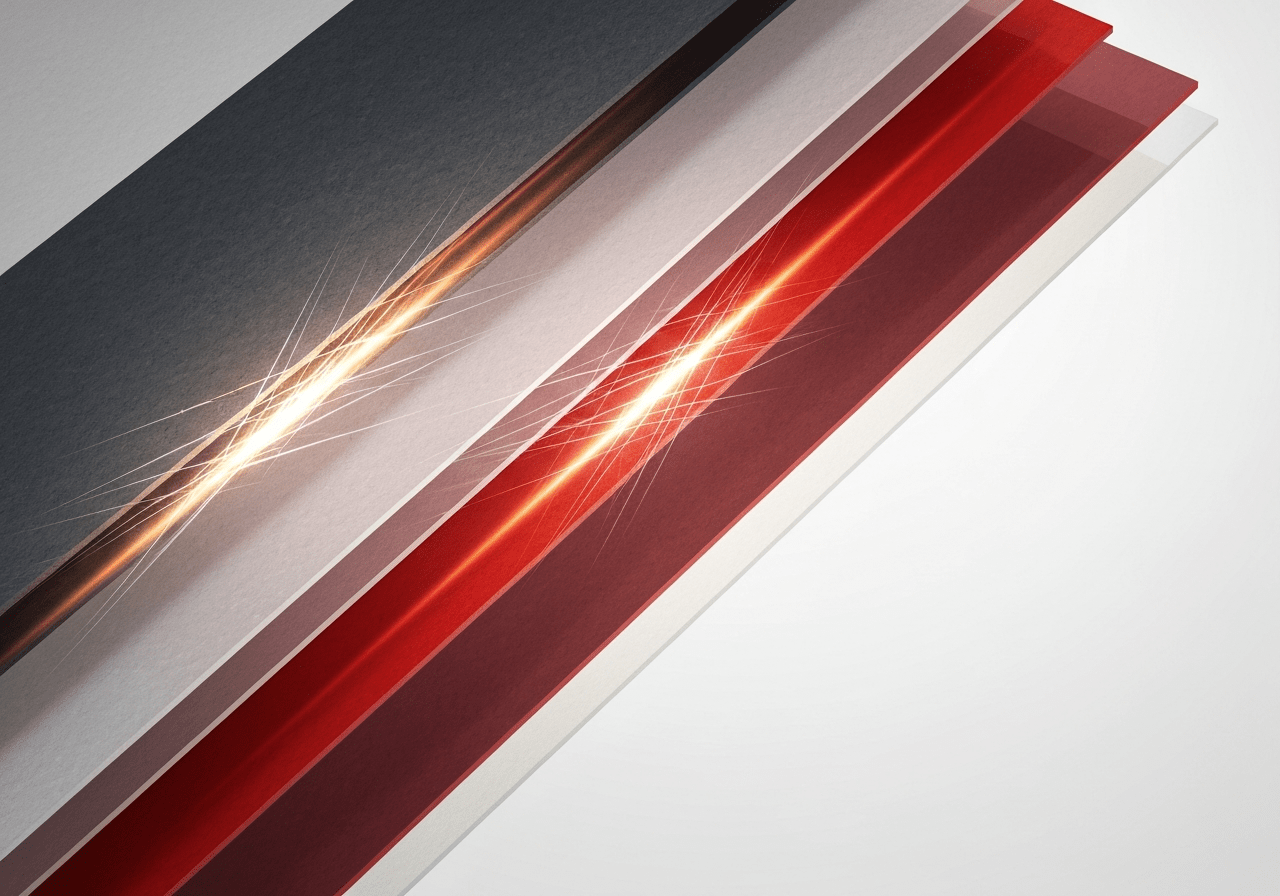
At its core, pouch lamination is the process of bonding multiple layers of different materials to form a single, robust sheet. Think of it like creating a high-tech sandwich where each layer has a specific job. This unified structure is then used to create flexible pouches. As a leading packaging supplier in Kolkata, we see firsthand how this process is vital for creating packaging that is both durable and functional. The choice of lamination method significantly impacts the final pouch’s performance.
- Solvent-Based Lamination: This traditional method uses adhesives dissolved in solvents to create an exceptionally strong bond between layers. It’s known for its versatility and high performance, making it a reliable choice for packaging that needs to withstand tough conditions, though modern practices focus on managing its environmental impact.
- Solvent-Free Lamination: An increasingly popular and eco-friendly alternative, this method uses adhesives that don’t require solvents. It significantly reduces VOC emissions, making it a greener choice for brands conscious of their carbon footprint, without compromising on the quality and strength of the packaging seal.
- Extrusion Lamination: In this high-speed process, a layer of molten resin is extruded directly between two other films to bond them together. This technique is perfect for creating thick, highly durable packaging structures often required for bulk products or items needing extreme puncture resistance.
The Anatomy of a Multi-Layered Pouch
The magic of a laminated pouch lies in its structure. Each layer is carefully chosen to contribute a specific property, working in harmony to protect the product inside. Many businesses wonder about the types of materials used in these pouches, and it’s this combination that delivers superior performance. Let’s break down a typical structure:
Key Layers and Their Functions
- The Outer Layer (Printing Layer): This is the canvas for your brand. Usually made from materials like PET or BOPP, it provides a high-quality surface for vibrant, crisp printing. It also offers initial strength, scuff resistance, and a glossy or matte finish to catch the customer’s eye.
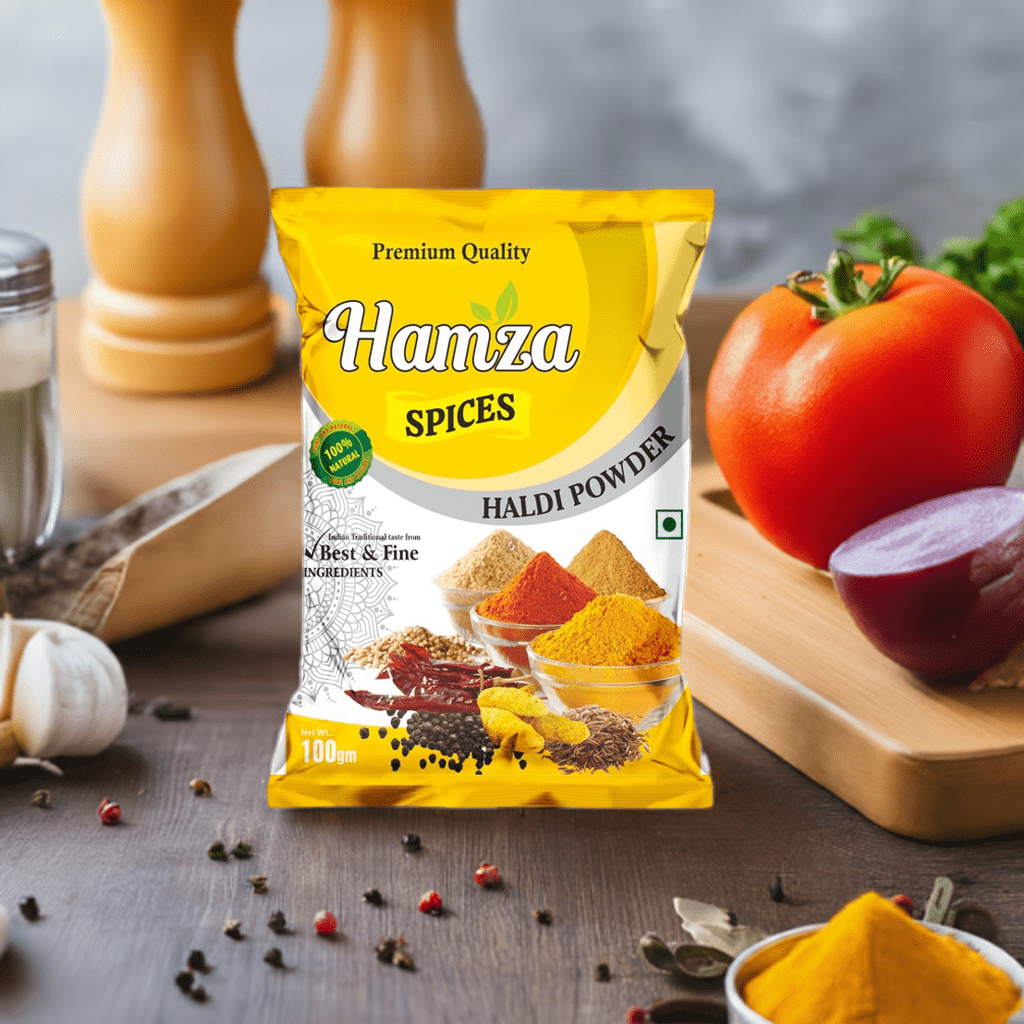
- The Barrier Layer (Protection Layer): This is the pouch’s shield. It is crucial for protecting contents from external elements like moisture, oxygen, and UV light that can degrade the product. Materials like Aluminum Foil or metallized films are excellent barriers, making them ideal for sensitive products like the spice powder laminated packing pouch.
- The Sealant Layer (Inner Layer): The innermost layer is what comes into contact with your product. It must be food-safe, non-toxic, and capable of forming a strong heat seal to keep the pouch securely closed. LDPE and CPP are common choices for this critical layer.
By combining these, a custom printed pouch manufacturer like Tirupati Traders can create highly specific packaging, such as three-layer laminated printed pouches that offer the perfect balance of branding, protection, and safety.
The Lamination Process: From Film to Finished Pouch
Creating a high-quality laminated pouch is a precise technical process. It’s not just about sticking layers together; it’s about ensuring a perfect, long-lasting bond. The quality of the final pouch is constantly evaluated through rigorous tests for peel strength, seal integrity, and barrier effectiveness to ensure it meets industry standards and protects your products reliably.
- Surface Preparation: Before lamination, the surfaces of the films are treated (often with a “corona treatment”) to increase their surface energy, which helps the adhesive grip better for a stronger bond.
- Adhesive Application: The chosen adhesive is applied uniformly to one of the films using precision rollers. The thickness of this adhesive layer is carefully controlled to ensure optimal performance without wastage.
- Layer Bonding (Nipping): The films are brought together and passed through heated, high-pressure rollers. This “nipping” process forces the layers together, ensuring the adhesive spreads evenly and a strong initial bond is formed.
- Curing: After bonding, the laminated rolls are stored in controlled temperature rooms for a specific period. This curing process allows the adhesive to fully cross-link and develop its maximum bond strength, ensuring the layers will not separate over time.
Why Multi-Layer Lamination is a Game-Changer for Your Business
Investing in high-quality laminated packaging offers tangible benefits that directly impact your bottom line and brand perception. It’s about more than just a bag; it’s a strategic business decision.
- Superior Product Protection: The primary advantage is creating a formidable barrier against environmental factors. This extends the shelf life of food products, preserves the potency of pharmaceuticals, and prevents moisture from ruining products like detergent powder. For a brand like Rainbow Detergent, this means their detergent powder packets stay dry and effective from the factory to the customer’s home.
- Enhanced Durability and Strength: Laminated pouches are incredibly tough and resistant to punctures, tears, and rough handling during transit and on store shelves. This ensures your product reaches the customer in perfect condition, reducing losses from damaged goods and reinforcing your brand’s commitment to quality. Our pulses packaging pouches are a testament to this durability.
- Outstanding Branding and Shelf Appeal: Lamination provides a smooth, stable surface that is perfect for high-definition printing. This allows for stunning graphics, vibrant colours, and sharp text that make your product stand out. Whether you choose a glossy or matte finish, the premium look and feel of a laminated pouch can significantly influence a customer’s purchasing decision.
Many businesses also ask about the environmental impact. While recycling multi-material pouches can be complex, the industry is making strides with innovative mono-material laminates that are designed for easier recycling, helping brands meet their sustainability goals.
Your Trusted Partner in Packaging Solutions
Understanding the nuances of lamination is key to selecting the right packaging for your products. As an experienced laminated pouch maker in Kolkata, Tirupati Traders is dedicated to helping businesses like yours thrive. We provide durable, secure, and fully customizable packaging that protects your product and elevates your brand.
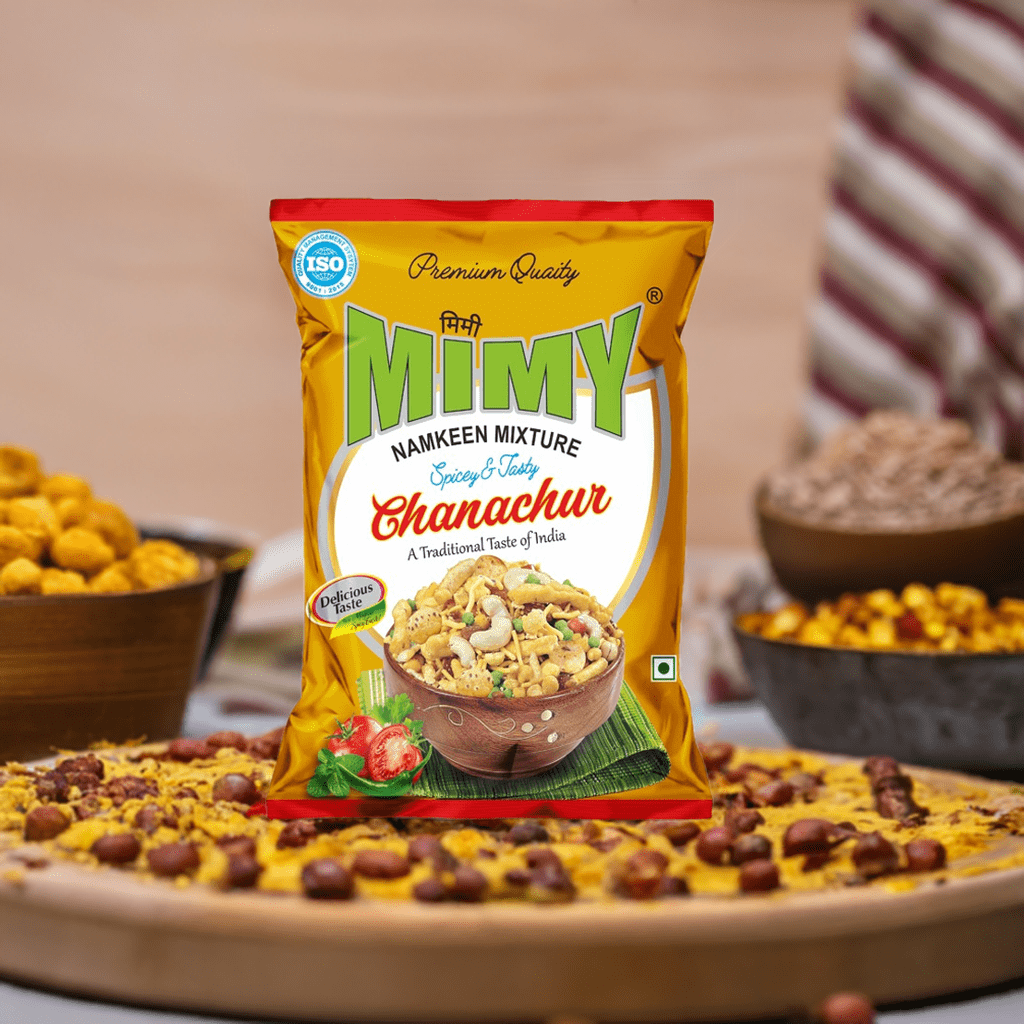
From eye-catching snack pouches to sterile sanitary pad pouches, our solutions are tailored to meet the specific demands of your industry. By leveraging advanced lamination techniques and high-quality materials, we ensure your packaging performs flawlessly every time.
Ready to enhance your product packaging? Contact Tirupati Traders today to discuss your requirements and discover how our expertise in multi-layer lamination can benefit your business.