

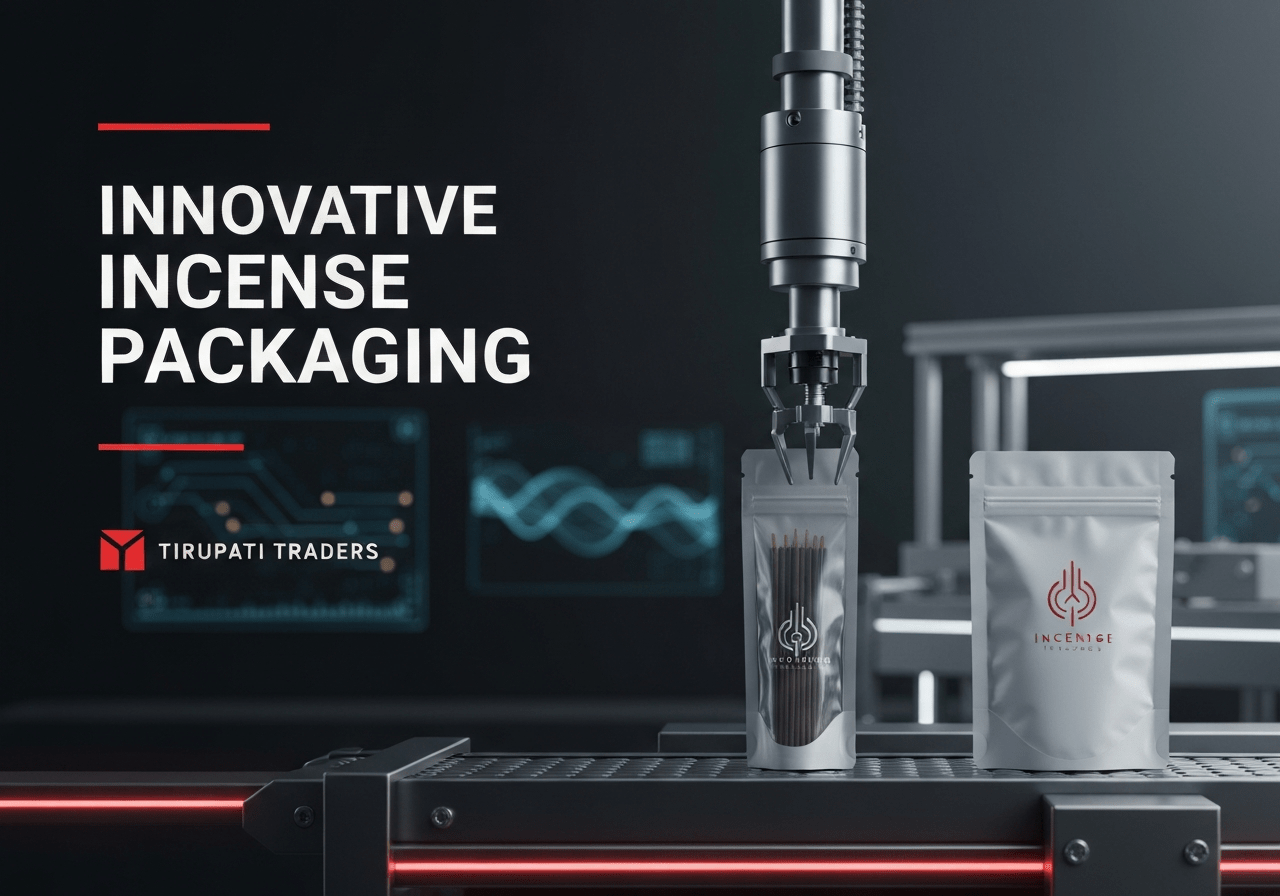
The incense manufacturing industry in India, a craft deeply woven into our cultural and spiritual fabric, is currently experiencing a remarkable transformation. For generations, the art of making agarbatti has been a hands-on process, relying on tradition and skilled artisans. Today, this age-old industry is blending its rich heritage with cutting-edge technology, paving the way for a future filled with enhanced efficiency, superior quality, and incredible innovation. Let’s explore how these advancements are reshaping production for 2025 and beyond, creating new opportunities for FMCG brands, retailers, and wholesalers.

From Ancient Art to Modern Science: The Evolution of Incense Production
Historically, incense production was a labour-intensive craft. While this manual approach has its own charm, it often comes with challenges like inconsistent quality and limited production capacity. As global wellness trends fuel a rising demand for high-quality, aromatic products, manufacturers face the need to scale up without compromising the essence of their craft. Consumers are now more discerning, seeking products made with natural, eco-friendly ingredients and transparent sourcing. This is where technology steps in, not to replace tradition, but to enhance it, ensuring that every stick or cone delivered is of the highest standard.
The Automation Revolution in Agarbatti Manufacturing
One of the most significant shifts is the integration of automation into the production line. Automated machinery is streamlining processes that were once done entirely by hand, from mixing raw materials to shaping and packaging the final product. This has a massive impact, as automation significantly reduces manual labour, which in turn speeds up production and allows businesses to meet large orders more efficiently. By using robotic systems for precise ingredient measurement, manufacturers can now ensure remarkable batch-to-batch consistency, something that was a constant challenge with manual methods.
Many businesses wonder if traditional methods are being completely replaced. The answer is no. Technology is designed to complement artisanal techniques, not erase them. It handles the repetitive, high-volume tasks, freeing up skilled artisans to focus on the finer aspects of fragrance creation and quality assurance. Furthermore, the integration of Internet of Things (IoT) devices allows for real-time monitoring of equipment, predicting maintenance needs and preventing costly downtime, ensuring a smooth and efficient production flow.
Innovative Ingredients and Sustainable Practices
The modern consumer is environmentally conscious, and the incense industry is responding beautifully. Technology is enabling the use of a wide array of sustainable raw materials, such as biodegradable binders and ethically sourced essential oils. Companies are actively developing water-based adhesives and other eco-friendly components that reduce the environmental footprint without affecting product performance. This shift towards green manufacturing is a core part of modern incense production. Sustainable practices are no longer a niche preference but a central expectation, and manufacturers are using technology to source and process eco-friendly materials efficiently and cost-effectively.
Unwavering Quality Through Advanced Testing and Control
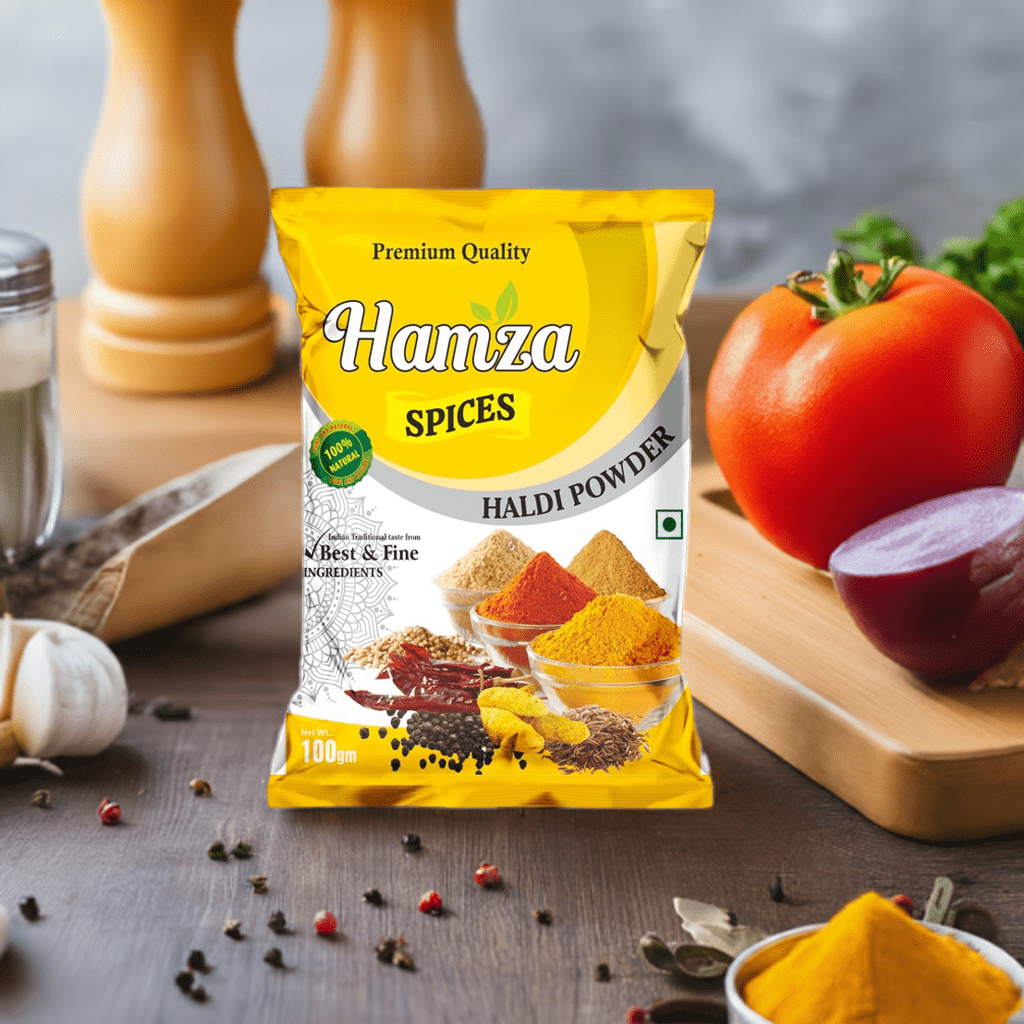
How does technology actually improve the final product’s quality? The answer lies in advanced quality control systems. AI-powered sensors can now scan production lines in real-time to identify defects like improper shaping or inconsistent ingredient distribution. Technologies like spectroscopy can analyze the chemical composition of the incense, guaranteeing a consistent fragrance profile in every batch. For businesses that pride themselves on quality, such as those supplying premium spice powder in laminated pouches, this level of precision is invaluable. It ensures that every product leaving the factory meets the highest standards of excellence.
The Crucial Role of Packaging: A Case Study with Tirupati Traders
In today’s competitive market, packaging is more than just a container; it’s a brand’s first impression and a promise of quality. For a product like incense, where fragrance is paramount, packaging must be exceptional. This is where an experienced laminated pouch maker like Tirupati Traders comes in. We understand that modern production advancements must be matched by equally innovative packaging solutions.
Case Study: Elevating the Sai-Mogra Brand
A well-known incense brand, Sai-Mogra, approached us to create packaging that could preserve the delicate fragrance of their premium agarbatti and stand out on crowded shelves. By providing them with our custom-printed incense stick pouches, we offered a solution that was both functional and visually appealing. The multi-layer construction of our pouches locked in the aroma, ensuring customers experienced the intended fragrance, while the vibrant, high-quality printing elevated their brand presence.
As a leading custom printed pouch manufacturer based in Kolkata, Tirupati Traders offers a range of solutions designed for the modern incense industry:
- Superior Fragrance Protection: Our specialized agarbatti packaging pouches are engineered with high-barrier materials that create an airtight seal. This technology is crucial for preventing the volatile aromatic compounds from escaping, thereby preserving the freshness and potency of the incense from the factory to the consumer’s home.
- Customization and Brand Identity: We use advanced digital printing techniques to bring your brand’s vision to life with crisp graphics and vibrant colours. Whether you need a simple logo or a complex, artistic design, our durable two-layer laminated pouches provide the perfect canvas to capture customer attention and build strong brand recall in a competitive marketplace.
- Durability and Practicality: Our pouches, including options like our popular resealable center-seal pouches, are designed to withstand the rigours of shipping and handling. This ensures that the product reaches retailers and end-users in perfect condition, protecting your investment and maintaining your reputation for quality.
Looking Ahead: The Fragrant Future of Incense Manufacturing
The incense industry in 2025 will be defined by a seamless blend of automation, sustainability, and personalization. The key innovations, including AI-driven quality checks, automated production lines, and the use of eco-friendly materials, are set to become standard practice. Artificial intelligence will also play a crucial role in analyzing market data to predict fragrance trends, helping manufacturers create new and exciting scents that resonate with consumers. Businesses that embrace these technological shifts will not only improve their efficiency but also solidify their position as leaders in a thriving, modern industry. The future of incense manufacturing smells bright, innovative, and incredibly promising.