

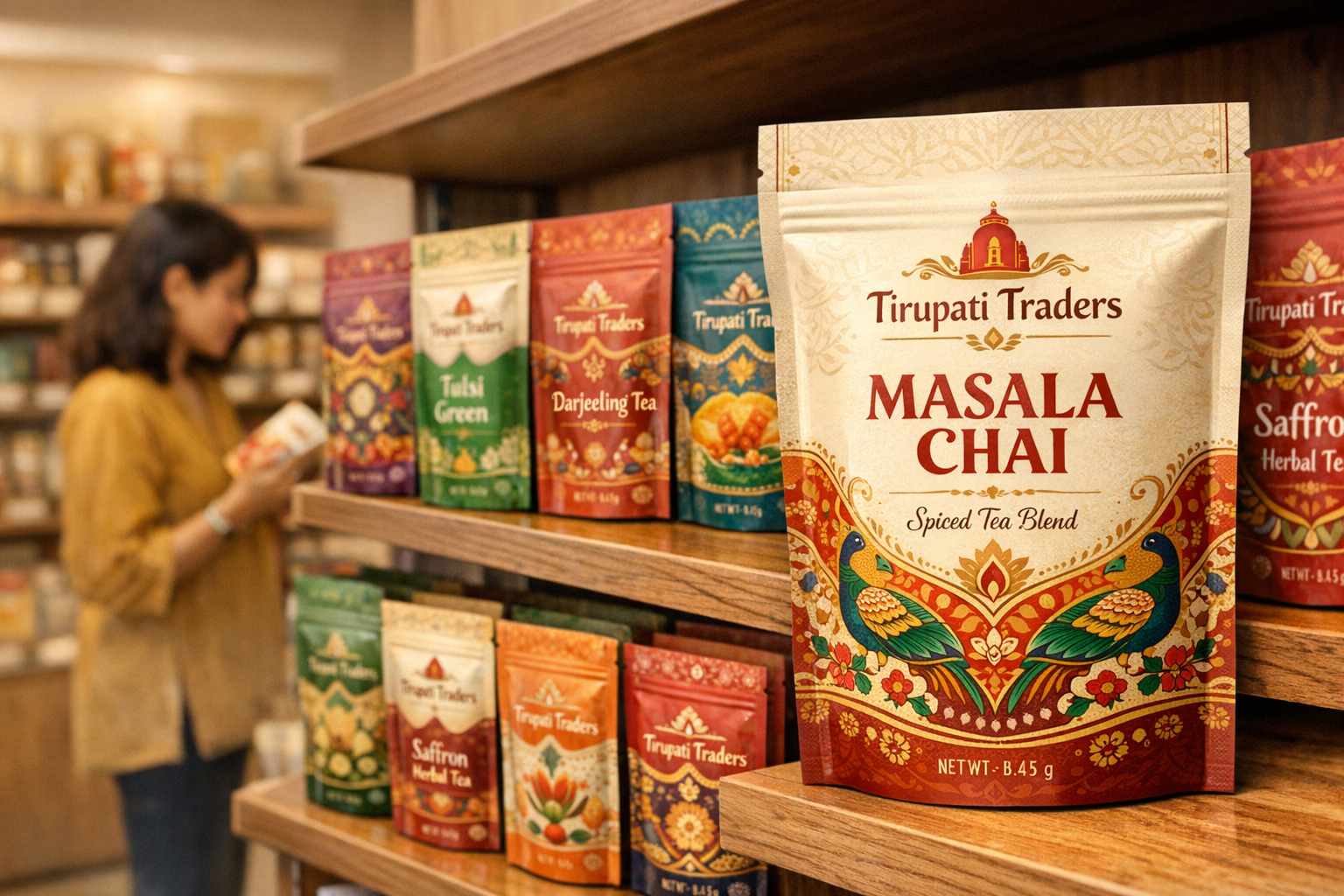
In the vibrant Indian market, chai is more than just a beverage; it is an emotion that connects millions. However, behind every successful tea brand lies a robust supply chain, where securing cost-effective, premium packaging makes all the difference. As we navigate through 2026, FMCG brands, agro-industries, and food manufacturers face a unique set of challenges. Between fluctuating raw material costs, stricter sustainability norms, and dynamic consumer preferences, mastering your negotiation skills for customized plastic pouch solutions is no longer optional—it is essential for survival and growth.
This comprehensive guide is designed to help Indian business owners and procurement heads crack the best deals, trim down operational expenses, and ensure that their product stands out on crowded retail shelves. Let’s dive into proven, ground-level strategies to optimize your packaging procurement.
The Ground Reality of the 2026 Packaging Landscape
Before stepping into a meeting with your suppliers, it pays to understand the current market forces shaping the packaging industry. The ecosystem in 2026 is driven by innovation and efficiency:
- The Green Shift: There is a massive push toward eco-friendly, recyclable, and biodegradable materials. While these align beautifully with modern consumer values, they often come at a premium. Smart negotiation is required to balance green goals with budget constraints.
- Aesthetics and Utility: Today’s buyer wants convenience. Features like resealable heat seals, moisture-lock barriers, and vibrant, durable prints are critical for shelf appeal and maintaining product freshness.
- Technological Edge: Advanced automation and digital printing have drastically reduced lead times. Suppliers utilizing modern machinery can afford to give you better rates and quicker turnarounds.
- Economic Fluctuations: Global shifts directly impact the prices of raw materials like polymers and laminates. Staying updated on these trends gives you a strong upper hand at the negotiation table.
Laying the Groundwork: Preparation is Power
Walking into a negotiation without data is like driving blindfolded. A well-researched approach guarantees better leverage. Here is how you should prepare:
Begin by conducting a thorough market analysis. Benchmark current pricing, understand what different vendors offer, and pinpoint the exact material you need. Once your research is solid, draft a highly detailed Request for Proposal (RFP). Clarity is your best friend here. Explicitly state your dimensions, material layers, micron thickness, printing styles, and volume expectations. When your requirements are crystal clear, suppliers cannot hide hidden costs, and you pave the way for a transparent, mutually beneficial agreement.
Actionable Tactics for Cost-Effective Procurement
Getting a competitive rate without dropping the ball on quality requires tactical smarts. Here are practical ways to secure a favorable contract:
- Leverage the Power of Bulk: Suppliers love assured business. By consolidating your orders across multiple product lines or signing a multi-year contract, you can unlock heavy volume discounts. Consistent demand from your end equals better pricing from theirs.
- Cultivate Long-Term Partnerships: In B2B, trust translates to savings. Prioritize vendors who value long-term relationships over short-term gains. A loyal partnership often leads to priority processing during festival seasons and loyalty-based financial incentives.
- Source Locally: If you are based in or around Eastern India, partnering with a Kolkata-based manufacturer drastically cuts down your freight and logistics costs, ensuring a faster, more reliable supply chain.
- Optimize Your Pouch Design: Sometimes, shaving off just a few millimeters of excess material or switching to lightweight but highly durable films can save lakhs in production and shipping costs over a year.
Overcoming Common Roadblocks with Suppliers
Negotiations rarely go perfectly smoothly. When a supplier resists a price cut, counter it logically. Show them your long-term growth projections. Prove to them that partnering with your brand guarantees them steady, scalable business.
To shield your brand from sudden supply chain bottlenecks, it is always wise to maintain a buffer stock. Furthermore, ensure your supplier meets all crucial food safety and compliance standards right from day one. Paying a fraction less for non-compliant packaging is a legal and branding disaster waiting to happen.
How Tirupati Traders Elevates Your Packaging Game
Finding a reliable manufacturer who understands the pulse of FMCG and food packaging is half the battle won. Based right here in Kolkata, Tirupati Traders (and our dedicated platform Poojn.in) specializes in delivering high-quality, customized plastic pouch packaging that perfectly balances cost and premium appeal.
We take immense pride in our rich legacy of partnering with top-tier Indian brands. We have empowered renowned tea companies like Steps Tea, Vizesa Tea, Aanchal Gold, and Mahan with pouches that lock in aroma and freshness. Beyond beverages, our expertise extends to FMCG giants and agro-brands including Kanupriya Namkeen, Hamza Spices, Zaha Atta, Puja Paneer, and Ploto, delivering everything from heavy-duty atta bags to vibrant chips packaging.
If you want to negotiate better deals and upgrade your tea packaging, here is how we bring unmatched value to your business:
- Direct Access to Unbeatable Prices: We believe in providing top-notch solutions that respect your budget. For instance, our highly sought-after 250gm Tea Packaging Plastic Pouch – Freshness-Sealed & Premium Look is currently offered at an incredible ₹230.00, heavily discounted from its original price of ₹300.00.
- Tailor-Made Customization: Your brand identity matters. We provide completely customized solutions, such as our LDPE Seal Tape Packet – Strong, Secure & Custom Printed Packaging, designed to make your logo pop and keep your product secure.
- Premium Shelf-Appeal: To command a premium price in the retail market, your packaging must look the part. Options like our Tea Packaging center-seal pouch – Freshness-Sealed & Premium Branding not only preserve the delicate tea leaves but also scream luxury to the consumer.
- Massive Savings on Bulk Purchases: By routing your bulk requirements through us, you leverage economies of scale, significantly driving down your per-unit expenditure.
- Uncompromising Material Quality: We use only the finest, food-safe, and durable materials, ensuring your product reaches the consumer exactly as fresh as when it left your factory.
- Expert, Round-the-Clock Support: Our seasoned team is always ready to guide you toward the most cost-effective materials and designs. For direct assistance, customized quotes, or to negotiate a bulk deal, simply reach out to us at +91 7003213441.
Conclusion: Take Charge of Your Procurement in 2026
Securing a fantastic packaging deal doesn’t rely on luck; it relies on strategic planning, clear communication, and finding the right manufacturing partner. By implementing these expert tactics—leveraging volume, optimizing designs, and partnering with proven industry leaders—FMCG and agro-businesses can protect their margins while elevating their brand presence. Take these insights to your next negotiation table, and watch your business thrive in the competitive landscape of 2026.
Frequently Asked Questions on Packaging Negotiations
Finding reliable partners for your brand
Discovering a trustworthy manufacturer requires looking into their past performance and client portfolio. It is always best to partner with suppliers who have a strong track record with established FMCG brands. Requesting physical samples, visiting their facility if possible, and analyzing client testimonials are foolproof ways to gauge their capability and reliability before making a commitment.
Key elements that dictate your final quotation
When you sit down to discuss pricing, several critical factors come into play. The quality and thickness of the material, the complexity of your custom print, the volume of your order, and current market raw material rates all influence the final number. It is crucial to have a firm understanding of these elements so you can confidently discuss where costs can be trimmed without hurting the product’s integrity.
The financial impact of ordering in large quantities
Committing to high-volume orders is one of the most effective ways to drive down your packaging expenses. Manufacturers save on machine setup times and raw material sourcing when producing in bulk, and they are usually more than happy to pass those savings onto you in the form of heavy discounts. If your product has steady market demand, buying in bulk is a highly sound business strategy.
Managing the expenses associated with bespoke designs
While unique, vibrant designs are fantastic for brand recall, they do involve initial setup costs, such as cylinder making for rotogravure printing. To keep these expenses in check, work closely with your supplier’s design team. Often, utilizing standard pouch dimensions or optimizing the number of colors used in the artwork can dramatically lower production costs while still delivering a stunning visual result.
Practical strategies to shrink your procurement budget
Beyond simply asking for a discount, smart buyers look at the entire supply chain. You can negotiate better payment cycles to aid your cash flow, shift to slightly lighter but equally strong laminate films to save on logistics, and consolidate all your brand’s packaging needs under one vendor to unlock premium tier pricing.
Understanding how production timelines affect your wallet
Urgency usually comes with a price tag. If you require a rush order, manufacturers may charge extra to expedite production. Conversely, if you plan your inventory well in advance and offer your supplier a comfortable lead time, you are in a much stronger position to negotiate a lower rate, as it allows them to optimize their own production schedules efficiently.
Choosing between domestic and overseas manufacturers
While international vendors might sometimes advertise lower base rates, the hidden costs of import duties, unpredictable shipping delays, and communication barriers can quickly erase those savings. Working with a domestic supplier—especially a trusted regional hub—ensures zero language barriers, vastly quicker turnaround times, and the ability to easily resolve any quality concerns face-to-face.
Pitfalls to sidestep during vendor discussions
The biggest misstep a business can make is walking into a meeting without adequate market research. Never accept the first quotation at face value. Furthermore, failing to document every agreed-upon detail—from micron thickness to delivery schedules—can lead to costly misunderstandings down the road. Always ensure everything is clearly outlined in a written contract.