

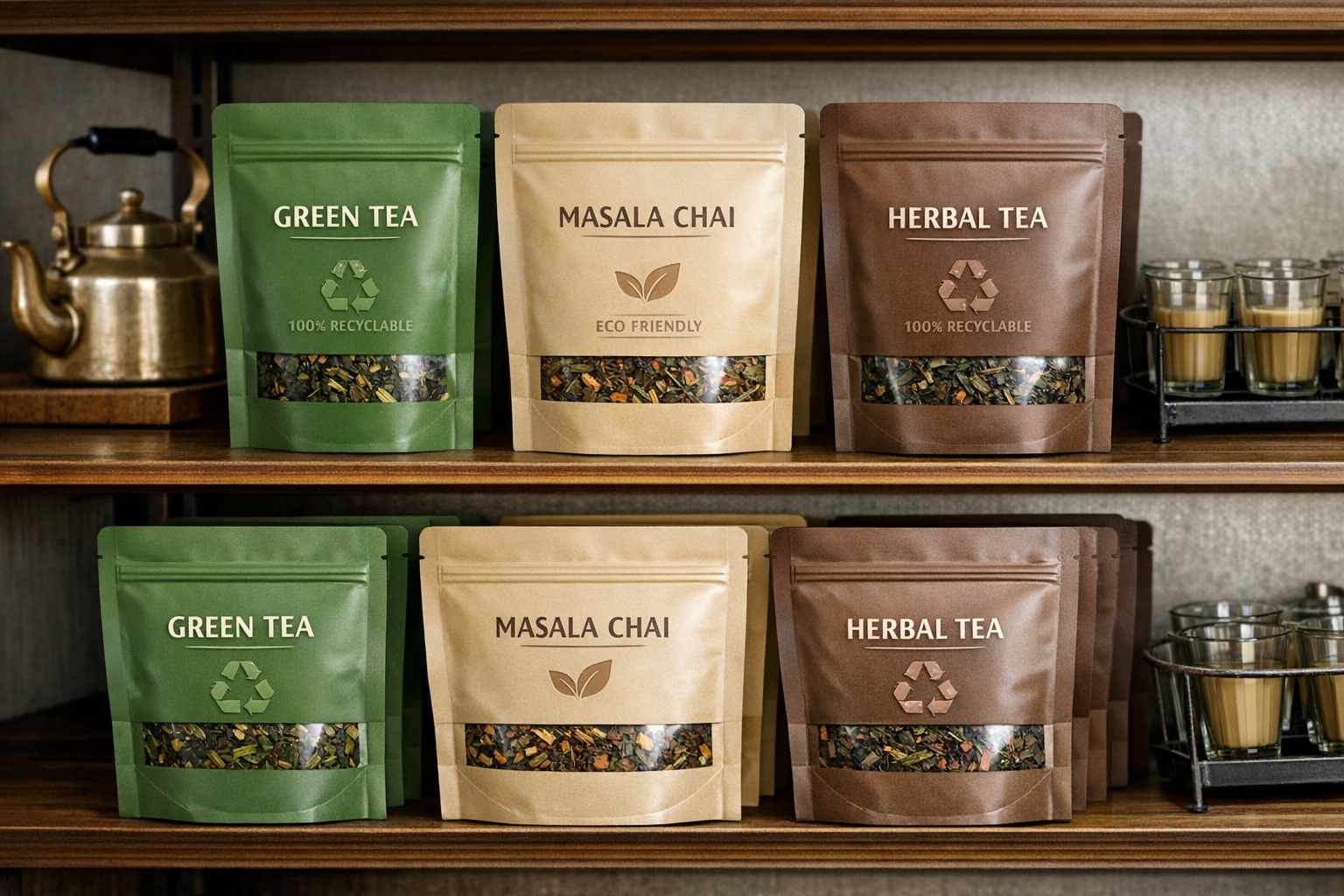
In India, tea isn’t just a beverage; it’s a daily ritual that fuels a billion dreams. However, behind every comforting cup of chai lies the pressing reality of packaging waste. The growing awareness surrounding environmental sustainability is putting traditional single-use packaging under intense scrutiny. This shift toward eco-friendly tea packaging is no longer just a trend—it is a critical business imperative for 2026. For FMCG brands, food manufacturers, and agro-companies, navigating this transition requires reliable, forward-thinking solutions that don’t compromise on product freshness or brand appeal.
Embracing the Circular Economy in the Beverage Sector
Adopting a circular packaging model means moving away from the traditional “use and throw” mindset, focusing instead on keeping materials in circulation for as long as possible. For B2B businesses in the tea industry, this translates to swapping out disposable materials for systems that actively extend a material’s lifecycle.
Closed-loop systems are rapidly gaining traction among progressive manufacturers. By reclaiming post-consumer waste to manufacture fresh pouches, brands can significantly lower their dependence on virgin resources. Furthermore, leveraging recycled materials like rPET (recycled polyethylene terephthalate) helps reduce operational costs, boosts brand loyalty, and aligns perfectly with modern sustainability benchmarks. With the government increasingly offering incentives and tax benefits for sustainable practices, making the switch has never been more advantageous.
Breakthrough Technologies Reprocessing Polymer Materials
The journey toward 2026 is paved with incredible technological advancements designed to tackle packaging waste head-on:
- Advanced Chemical Breakdown: Also known as depolymerization, this chemical process breaks down complex plastics into their foundational raw elements. This innovation is an absolute game-changer for multilayered chai pouches, which have historically been a nightmare for recycling facilities.
- AI-Driven Sorting Facilities: Artificial intelligence and machine learning are transforming how we manage waste. By identifying and separating various material types at lightning speed, AI ensures a much higher purity and quality of recycled materials destined for FMCG packaging.
- Bio-Sourced Alternatives: Materials like Polylactic Acid (PLA), crafted from renewable resources such as sugarcane or corn starch, behave just like traditional packaging but are infinitely easier to compost. These bio-based plastics deliver the durability tea manufacturers demand without the heavy environmental footprint.
Material Innovations: Building the Sustainable Pouches of Tomorrow
Modern packaging isn’t just about looking good on the shelf; it’s about smart chemistry and intelligent design. Brands are now exploring cutting-edge alternatives:
- Plant-Based and Compostable Films: Cellulose and starch-based films decompose naturally, dramatically shrinking a brand’s carbon footprint. Crucially, these materials still lock in the robust aroma and moisture-sensitive nature of premium tea leaves.
- Mono-Material Structures: Traditional packaging often uses multiple bonded layers of different plastics, making them incredibly tough to recycle. Mono-materials simplify the entire waste management process by utilizing a single polymer type throughout the pouch design, maximizing recyclability while maintaining premium shelf appeal.
- Post-Consumer Recycled (PCR) Content: Incorporating PCR into your supply chain guarantees that materials are repurposed rather than discarded. This continuous loop resonates deeply with eco-conscious consumers who actively seek out responsible brands.
Navigating the Real-World Hurdles of the Indian Market
While the future looks bright, transitioning to advanced eco-friendly packaging comes with its own set of unique challenges for Indian manufacturers:
- Upfront Investment: Shifting to new technologies like chemical recovery requires capital, which can be a hurdle for emerging agro and food companies.
- Infrastructure Gaps: Many existing domestic waste facilities are not yet equipped to handle complex multilayered films efficiently.
- Hygiene and Contamination: Food-grade packaging demands uncompromising cleanliness. Ensuring recovered materials meet strict FMCG safety standards makes the process more intricate.
Despite these hurdles, early adopters are reaping massive rewards. Having worked closely with esteemed names in the market, we understand that brands like Steps Tea, Aanchal Gold, Mahan, and Vizesa Tea all share a common goal: delivering premium quality while maintaining reliable, top-tier packaging integrity.
Innovations in Sustainable Packaging for the Tea Industry: How Poojn.in Can Help
Poojn.in supports forward-thinking businesses in adopting sustainable packaging solutions, especially tailored for the tea industry. With rapid advancements in sustainable material management, we help FMCG companies transition to eco-friendly options without ever compromising on quality, durability, or freshness. Here is exactly how our expertise can assist your brand:
Customized Recyclable Pouches
We provide recyclable plastic pouches specifically engineered for tea packaging needs. These pouches maintain product freshness while drastically reducing your brand’s environmental impact. Explore premium options like the 250gm Tea Packaging Plastic Pouch – Freshness-Sealed & Premium Look.
High-Quality Dependable Materials
Our B2B packaging solutions utilize high-grade, recyclable materials such as LDPE and HDPE. These structures ensure robust durability during transit and ease of recycling post-use. Check out robust products like the LDPE Seal Tape Packet – Strong & Secure Custom-Printed Packaging.
Sustainable Custom Printing Solutions
We offer vibrant, custom printing on recyclable pouches, ensuring your brand identity aligns perfectly with your sustainability goals. For premium-quality, high-definition printed packaging, visit Tirupati Traders.
Uncompromised Sealed Freshness
Our pouches are meticulously designed to lock in the rich aroma and freshness of tea leaves while remaining fully recyclable. The 250gm Tea Packaging Plastic Pouch stands as a perfect testament to this protective innovation.
Cost-Effective Sustainability
By partnering with us, food and agro businesses can seamlessly adopt eco-friendly packaging without suffering a significant spike in operational costs. Browse our extensive range of dependable, sustainable options at Tirupati Traders.
Dedicated Support for FMCG Brands
We specifically cater to Indian FMCG brands, guaranteeing their tea products are packaged in eco-conscious, visually striking pouches that command attention on retail shelves. Learn more about our customized offerings here.
Expert B2B Consultation
Navigating the shift to green packaging can be complex. Our dedicated team provides professional guidance on choosing the best recyclable packaging format for your specific tea products. Contact us directly at +91 7003213441 for more details.
Poojn.in is deeply committed to helping businesses adopt innovative, sustainable packaging solutions to secure a greener, more profitable future.
Frequently Asked Questions About Sustainable Solutions for 2026
What exactly is polymer recovery and why does it matter for packaging tea?
The process involves collecting used synthetic materials and transforming them into brand-new, usable formats. This practice is vital for the beverage sector because it actively diverts waste from landfills, minimizes environmental harm, and helps businesses meet their corporate sustainability targets.
How do modern technological advancements impact the way tea is packaged?
Progress in material science enables the creation of highly eco-friendly pouch options. Manufacturers can now utilize durable, lightweight, and reusable structures that drastically cut down the volume of waste typically generated by traditional single-use packaging.
What are the most viable eco-friendly packaging alternatives looking ahead to 2026?
Looking toward 2026, the most reliable options include biodegradable films, high-quality post-consumer recycled content, and mono-material pouches. These alternatives drive a circular economy and significantly lower the overall carbon footprint of FMCG supply chains.
What role does a circular economy play in this industry?
A circular approach prioritizes the continuous reuse of materials instead of the standard “take-make-dispose” model. For agro and food brands, this means transitioning to compostable materials or reprocessed films that can circulate through the economy without degrading the natural environment.
Are there notable difficulties when trying to process used dry food & powder pouches?
Yes, the most prominent hurdles include food residue contamination and the sheer difficulty of separating the distinct layers found in conventional multi-material films. However, modern innovations are specifically engineered to solve this by introducing single-material, fully recyclable pouch structures.
Which material types are most commonly repurposed for this sector?
Materials like PET (Polyethylene Terephthalate) and PE (Polyethylene) are industry favorites. They are widely favored for their exceptional durability, moisture-barrier properties, and relative ease of processing within standard recycling facilities.
How can food manufacturers and brands actively contribute to greener packaging?
Brands can take the lead by shifting to eco-friendly pouch materials, partnering with packaging experts who invest in green technologies, and proactively educating their end-consumers on correct disposal and sorting methods.
What upcoming trends will define the industry’s approach to packaging waste?
By 2026, we will see a massive surge in advanced chemical breakdown facilities, widespread adoption of bio-based plastics, and the integration of smart, AI-driven pouch designs. These trends will make the entire process of sourcing and recycling tea pouches vastly more efficient and environmentally sound.
A Greener, More Profitable Future Awaits
The Indian tea packaging sector is standing at a historic crossroads where brilliant innovation meets environmental responsibility. By 2026, the synergy of AI-driven sorting, bio-based alternatives, and advanced material recovery will completely redefine how B2B brands package their products. Businesses that boldly prioritize these eco-friendly advancements will not only shrink their ecological footprint but will also cement a powerful market presence built on consumer trust.
Embracing these changes requires strategic collaboration and a commitment to quality. Yet, the long-term benefits are undeniable: minimized operational waste, seamless recyclability, and a stellar brand reputation. As the global push for sustainability accelerates, companies that partner with reliable experts to upgrade their packaging today will undoubtedly lead the market tomorrow.