

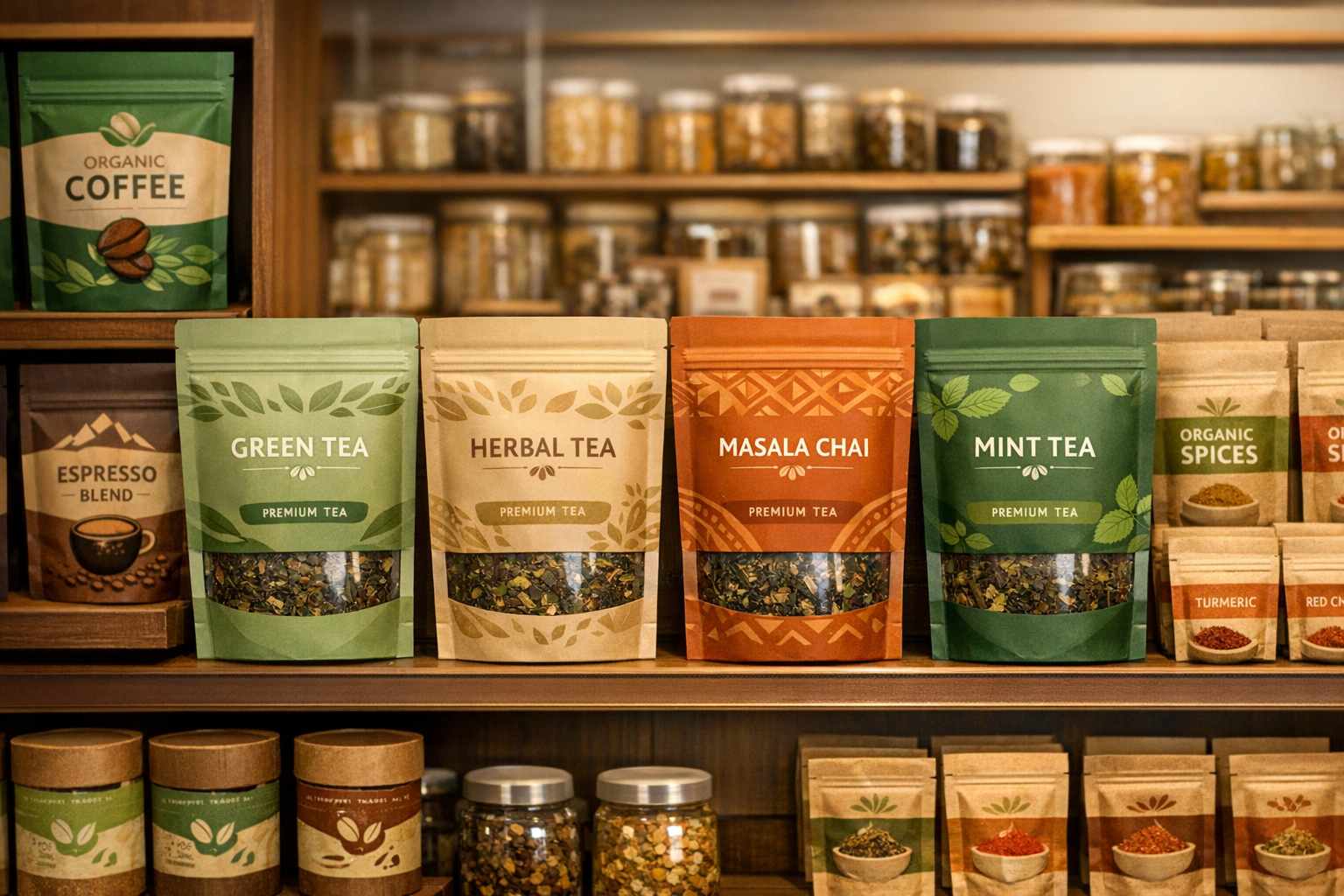
The Indian tea industry is legendary, serving everything from the robust Assam CTC to the delicate Darjeeling first flush. However, as the market expands in 2024 and beyond, FMCG brands and food manufacturers are facing a significant modern challenge: managing packaging waste. Millions of wrappers and packets are manufactured every single day. If we do not adopt smarter, eco-friendly storage solutions, the environmental impact could be immense. This is where strategic, well-thought-out pouch design steps in to save both your bottom line and the planet.
For B2B enterprises across the food, agro, and pharmaceutical sectors, adopting innovative pouch structures isn’t just a corporate social responsibility checkbox—it is a clear competitive advantage. Today, we are diving deep into how rethinking your packaging can drastically reduce waste, cut down logistics costs, and keep your product as fresh as the day it was plucked.
What Truly Makes a Tea Pouch Efficient?
An efficient packet does not simply look good on a supermarket shelf. It meticulously balances material usage, spatial economy, and resource management while fiercely protecting the product inside. Maximizing utility while minimizing waste is the core philosophy here.
- Optimizing the Core Material: Transitioning to lightweight, durable, and recyclable alternatives drastically lowers your carbon footprint. You do not have to sacrifice structural integrity to be kind to the environment.
- Smart, Space-Saving Formats: Designs like 3-side seal or flat-bottom pouches are game-changers. They maximize retail shelf presence while packing efficiently into shipping cartons, which significantly reduces freight and transportation costs.
- Advanced Seal and Barrier Technology: The Indian monsoon can be unforgiving. High-barrier films protect delicate tea leaves from moisture, UV light, and oxygen, extending shelf life. Furthermore, premium resealable closures mean consumers don’t need to transfer the tea to secondary containers, cutting down on single-use plastics.
- Minimizing Over-Packaging: Stripping away unnecessary outer boxes, plastic wraps, or heavy inserts ensures you are using exactly what is needed—nothing more, nothing less.
- Conscious Printing Methods: Shifting to water-based inks and solvent-free lamination reduces harmful chemical runoff, ensuring your vibrant branding does not come at an ecological cost.
Reducing Waste: Proudly Manufactured by Tirupati Traders
When it comes to dependable service and high-quality manufacturing, Tirupati Traders (poojn.in) stands as a trusted pillar in Kolkata’s packaging industry. We specialize in providing customized, premium plastic pouch packaging solutions tailored for FMCG, food manufacturers, and agro businesses. By leveraging advanced manufacturing techniques, we help our clients minimize packaging waste while significantly enhancing product shelf-life and aesthetic appeal.
Over the years, we have had the privilege of partnering with esteemed regional and national brands. When you look at the premium finishes on brands like Steps Tea, Aanchal Gold, Mahan, and Vizesa Tea, you are seeing the Tirupati Traders commitment to quality in action. We understand the unique demands of the Indian market, delivering solutions that are tough, reliable, and visually striking.
Recommended Custom Solutions for the Beverage Industry
We offer a versatile range of solutions engineered to keep your blends perfectly fresh. Here are some of our top recommendations designed for efficiency and visual impact:
- High-Quality Tea Packaging Pouch – Secure & Stylish Storage: This durable and stylishly crafted packet ensures ultimate safety during transit while locking in that crucial farm-fresh aroma.
- Tea Packaging center-seal pouch – Freshness-Sealed & Premium Branding: Featuring a highly reliable heat-seal closure, this option allows consumers to easily reseal the pack, ensuring long-lasting freshness while giving your brand a premium, upscale feel.
- Printed Tea Pouch – Moisture-Proof, Durable & Customizable Packaging: Fully customizable to reflect your brand’s unique identity, this option utilizes advanced moisture-proof technology to protect the delicate flavor profile of your product from harsh climates.
Tirupati Traders is dedicated to supporting your journey toward a more efficient and greener supply chain. For B2B inquiries and custom bulk orders, confidently reach out to us at +91 7003213441.
The Tangible Benefits of Going Green
Reducing structural waste in your packaging line yields incredible benefits that ripple across your entire business ecosystem. Cost efficiency is usually the first noticeable impact. Utilizing fewer raw materials translates directly to lower procurement and logistics expenses. Moreover, an optimized design requires less energy to manufacture, drastically reducing your brand’s overall greenhouse gas emissions.
From a market perspective, the modern Indian consumer is incredibly discerning. Shoppers actively seek out and remain loyal to brands that demonstrate a genuine commitment to environmental stewardship. Aligning your product with these values not only ensures compliance with emerging government regulations but also seamlessly integrates your business into the growing circular economy.
Overcoming Implementation Hurdles
Let’s be completely honest—transitioning to newer, greener designs does come with its own set of challenges. Some business owners worry about the initial setup costs or hold misconceptions about the durability of recyclable materials. Additionally, securing a consistent supply chain for ethical raw materials requires dedication.
However, the long-term payoff far outweighs the initial friction. Investing in these innovative, future-ready packaging formats shields your brand from fluctuating raw material scarcities and places you miles ahead of competitors who refuse to adapt.
Frequently Asked Questions
What exactly makes a pouch design highly efficient?
An efficient design utilizes the absolute minimum amount of material required to keep the product perfectly safe and fresh. By incorporating lightweight structures, space-saving geometric shapes, and reusable closures, businesses can drastically cut down on production and freight waste.
In what ways do these designs actively reduce environmental waste?
By moving away from rigid containers and excessive outer packaging, these flexible solutions use significantly less plastic and paper. Furthermore, integrating recyclable or biodegradable films prevents these packets from sitting in landfills for decades.
Are sustainable options actually strong enough to protect my product?
Absolutely. Modern green packaging is specifically engineered for toughness. They feature multi-layered high-barrier properties that expertly block out moisture, oxygen, and harmful UV rays, ensuring your product remains uncompromised from factory to pantry.
What kind of materials do you use for these eco-conscious designs?
We utilize a strategic mix of recyclable plastics, advanced biodegradable films, and robust kraft paper. This carefully chosen blend guarantees that the packaging is highly functional for B2B logistics while remaining environmentally responsible.
Can upgrading to smarter designs really save my business money?
Yes, significantly. Because these flexible pouches are lighter and take up far less space than traditional jars or boxes, you will see immediate reductions in raw material spending, warehousing space, and transportation fuel costs.
Why is this shift so critical for the beverage and FMCG sectors right now?
The volume of products moving through the FMCG sector is staggering. Adopting greener practices minimizes ecological damage, conserves natural resources, and builds deep trust with a rapidly growing demographic of eco-conscious consumers.
How do heat-seal closures contribute to environmental goals?
heat seals and resealable seals extend the usable life of the product once opened. By preventing the contents from going stale, you drastically reduce food waste and eliminate the consumer’s need to buy secondary plastic containers for storage.
Is it possible to customize these solutions without losing the eco-friendly benefits?
Certainly. We can seamlessly integrate your custom branding using water-based inks, minimal printing techniques, and recyclable components. You get a stunning, shelf-ready product that proudly upholds your sustainability targets.