

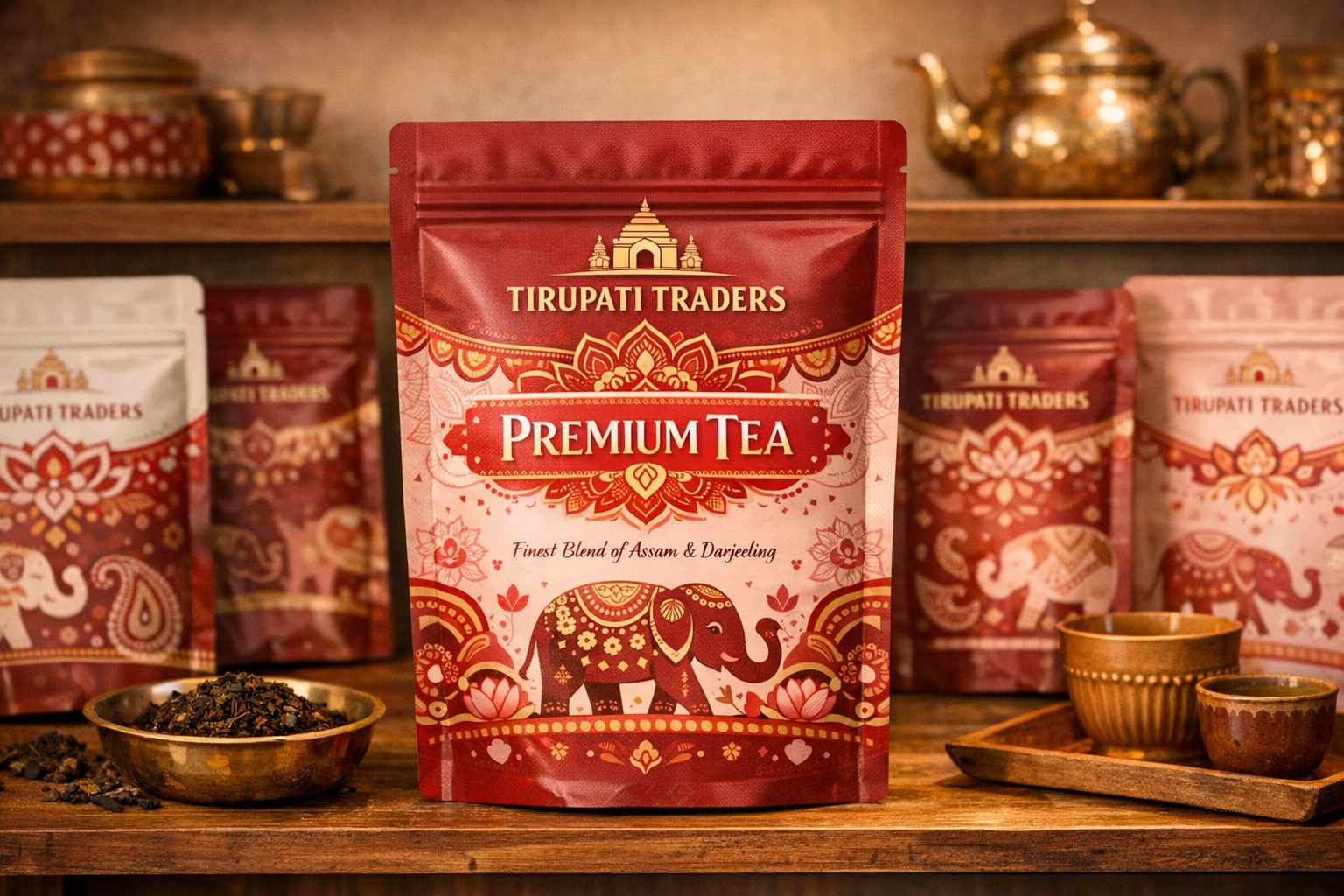
For centuries, the story of Indian tea has been woven into the cultural fabric of our nation. When you export a batch of robust Assam or delicate Darjeeling tea across the globe, it carries the pride and heritage of India. Today, the international tea trade from India is a powerhouse, holding its ground as the second-largest producer globally and accounting for over 10% of worldwide tea shipments.
However, the global marketplace is evolving at an unprecedented pace. As we look toward 2026, FMCG brands, agro-businesses, and food manufacturers face a new landscape. Competing with formidable alternatives from Sri Lanka, Kenya, and Vietnam requires more than just a great harvest; it demands innovation, resilience, and impeccable presentation. Let’s explore the hurdles and the golden opportunities defining the future of cross-border tea commerce.
Navigating the Hurdles: Challenges in the International Tea Trade
Exporting tea successfully means maneuvering through a complex web of global dynamics. Understanding these pressure points is the first step for B2B exporters aiming for long-term profitability.
Volatility in Global Pricing
The international commodity market is notoriously unpredictable. An oversupply in global inventory or aggressive pricing strategies from emerging competitors often squeeze the profit margins of Indian exporters. Rather than engaging in a race to the bottom on price, the most successful brands are focusing fiercely on unmatched quality and superior packaging to justify a premium.
Stringent Trade and Regulatory Barriers
Reaching lucrative international markets isn’t just about logistics; it involves navigating tight regulatory frameworks. Many key destinations, particularly in the Middle East and Europe, enforce strict import tariffs and compliance standards. These regulatory hurdles can delay shipments and inflate operational costs, testing the resilience of agro-export companies.
The Impact of Climate Change
Our beloved tea estates in the Nilgiris, Assam, and Darjeeling are facing the brunt of erratic weather patterns. Unpredictable monsoons and rising temperatures directly impact both the yield and the aromatic quality of the leaves. For exporters serving premium markets, maintaining consistency in flavor and aroma despite climatic shifts is a growing concern.
Workforce and Labor Dynamics
Cultivating premium orthodox and CTC varieties is highly labor-intensive. With the justified rise in fair wage demands and the necessity to improve working conditions, production costs have escalated. Balancing ethical labor practices with competitive global pricing is an ongoing balancing act for plantation owners.
The Green Mandate: Sustainability Expectations
Modern consumers are deeply conscious of their environmental footprint. Entering high-value Western markets often requires expensive certifications like Fair Trade or Rainforest Alliance. For many mid-sized manufacturers, the initial investment in sustainable farming and eco-conscious business practices can feel daunting, yet it is absolutely essential.
Brewing Success: Opportunities for Growth by 2026
Where there are challenges, there are also remarkable avenues for expansion. The road to 2026 is paved with exciting prospects for agile FMCG brands ready to adapt.
The Surge in Artisanal and Specialty Blends
The world is developing a refined palate. There is an explosive demand for organic green teas, wellness infusions, and single-estate specialty teas. These premium segments yield significantly higher margins compared to standard CTC varieties, making North America and Europe incredibly lucrative targets for high-end Indian blends.
Tapping into Fresh Geographies
While the UK and Russia remain foundational buyers, new frontiers are opening up. Expanding economies across Latin America, Africa, and Southeast Asia are showing a strong appetite for affordable, high-quality Indian teas, presenting vast, untapped revenue streams.
Wellness-Driven Consumption
The post-pandemic world is hyper-focused on health. Antioxidant-rich matcha blends, herbal concoctions, and natural green teas are flying off the shelves. India’s diverse agricultural portfolio perfectly aligns with this global shift toward health-oriented beverages.
State-Backed Export Incentives
The Indian government is actively bolstering the agricultural sector with subsidies, modernization funds, and support for organic farming. Taking full advantage of these government initiatives can significantly offset operational costs and modernize processing units for smaller growers.
Direct-to-Consumer Digital Commerce
The digital revolution has democratized global trade. E-commerce platforms now allow Indian exporters to bypass traditional middlemen, establishing direct relationships with international consumers and retaining a larger share of the profits.
Market Trends Defining the 2026 Horizon
To stay ahead of the curve, FMCG and agro-brands must integrate the following trends into their strategic planning:
- Smart Agriculture and Traceability: The adoption of AI for crop monitoring and Blockchain for supply chain transparency is becoming the new gold standard for international buyers.
- Mandatory Green Certifications: By 2026, sustainable sourcing credentials will transition from being a ‘bonus’ to a strict prerequisite for entering premium Western markets.
- Value-Added Innovations: The younger demographic prefers convenience. Ready-to-drink formats, spiced masala chai mixes, and instant powders are capturing significant market share.
- Next-Generation Protective Packaging: This is where the magic happens. Export-grade packaging must now be lightweight to reduce freight costs, visually striking to capture attention, and highly functional to seal in freshness during long ocean transits.
Elevating Your Export Game with Tirupati Traders
In the highly competitive world of global tea commerce, your product’s packaging is its silent ambassador. It doesn’t matter how exquisite your Assam blend is if it loses its aroma in transit or fails to catch the buyer’s eye on an international supermarket shelf. This is exactly where Tirupati Traders steps in.
Based in the vibrant business hub of Kolkata, Tirupati Traders (in association with Poojn.in) is a premier manufacturer of custom, high-quality plastic pouch packaging. We understand the precise needs of B2B clients, FMCG brands, and food manufacturers aiming for export excellence.
Why Your Packaging Choice Matters
Subpar packaging leads to moisture ingress, loss of volatile aromatic oils, and ultimately, a devaluation of your brand. Our export-grade packaging solutions are engineered to act as an impenetrable barrier, preserving the delicate flavor profile and extending the shelf life of your premium teas.
The Tirupati Traders Advantage
We take immense pride in having partnered with respected industry names such as Steps Tea, Aanchal Gold, Vizesa Tea, and Mahan, delivering packaging that truly speaks volumes about their product quality.
- Tailored Brand Aesthetics: Stand out on global shelves with our highly customizable, beautifully printed pouches that reflect the authentic story of your brand.
- Uncompromising Material Quality: We utilize multi-layered, food-grade materials that guarantee structural integrity and freshness preservation during extended international shipping.
- Specialized Tea Packaging: Explore our highly sought-after premium tea packaging pouch and the versatile 250gm tea packaging plastic pouch, specifically designed to meet the rigorous standards of global markets.
- Dependable Bulk Fulfillment: We are equipped to handle massive B2B orders seamlessly, ensuring your supply chain remains uninterrupted with our timely deliveries.
- Aesthetic Printing Solutions: Enhance your brand’s visual appeal with a vibrantly printed tea pouch or a high-quality tea packaging pouch that communicates luxury and trust.
If you are an agro or FMCG business looking to upgrade your packaging infrastructure for the 2026 export boom, we are here to assist. Let us help you transform challenges into tangible growth.
Contact Us Today: Reach out to our expert B2B team via call or WhatsApp at +91 7003213441 to discuss your custom packaging requirements.
Conclusion: Ready for the Future of Tea Exports
The journey toward 2026 is transformative. While unpredictable climates, shifting policies, and fierce competition will test the mettle of Indian exporters, the surging demand for wellness teas and the power of digital commerce provide incredible momentum. By anchoring your strategy in quality, embracing modern agricultural practices, and investing in dependable, high-quality packaging, your brand can confidently claim its rightful place on the global stage. Let’s blend India’s rich tea traditions with modern innovation to captivate the world.
Frequently Asked Questions
What are the primary hurdles for businesses shipping tea internationally?
Exporters primarily navigate volatile international commodity prices, strict import regulations in target countries, and the unpredictable effects of climate change on crop yield and flavor consistency.
Where does India stand in the international tea landscape?
India holds a prestigious and commanding position as the second-largest producer globally, celebrated worldwide for iconic, region-specific varieties like Darjeeling, Assam, and Nilgiri.
What emerging growth areas should FMCG brands focus on for 2026?
There is massive potential in capturing the premium organic sector, developing wellness-focused herbal blends, and utilizing direct-to-consumer digital platforms to access untapped markets in Africa and Latin America.
In what ways are environmental shifts impacting tea plantations?
Unseasonal rainfall and rising global temperatures disrupt the delicate growing cycles of tea plants. This leads to increased pest threats and can alter the signature taste profiles that international buyers expect.
Which global regions are the top consumers of our tea?
The most substantial demand historically comes from the Russian Federation, the United States, the United Kingdom, and various nations across the Middle East.
Why is packaging innovation critical for cross-border trade?
Advanced, high-quality packaging prevents moisture damage, locks in essential aromas, and enhances brand perception. Solutions like smart QR codes and durable, aesthetic pouches are vital for competing in luxury international retail spaces.
How do international trade policies affect local exporters?
Import duties, strict compliance certifications, and shifting bilateral agreements can directly impact an exporter’s profit margins and operational speed. Staying agile and informed is crucial for survival.
What consumer behaviors are redefining the market approaching 2026?
The modern consumer is hyper-focused on wellness, demanding transparency in sourcing, and showing a strong preference for ready-to-drink options and ethically certified, sustainably packaged products.